TracePatho
  • 首页
  • 数据库
  • 分型工具
  • 溯源工具
  • 绘图工具
  • 关于
    • 关于我们
    • 更新日志
  • 常见问题
  • 切换语言
    • English
    • 简体中文
  1. Home
  2. Browse
  3. Burkholderia pseudomallei
关于 Burkholderia pseudomallei

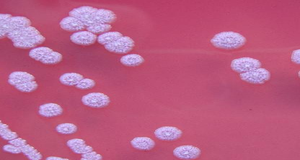
Burkholderia pseudomallei is a facultative, intracellular Gram-negative bacillus that is the causative agent of melioidosis. This organism resides in soil and water, and infection can occur through multiple routes of exposure, including inoculation, ingestion and inhalation. B. pseudomallei has been classified as a biothreat agent by the US Centers for Disease Control and Prevention because it has potential utility as a bioweapon[1, 2].

The incubation period for melioidosis typically ranges from 1 to 21 days, with a median of 9 days; however, latent infections can occur, with disease manifesting decades after exposure[3-5]. The signs and symptoms of melioidosis often mimic other diseases (e.g. community-acquired pneumonia or tuberculosis), resulting in frequent misdiagnosis. Pneumonia and bacteraemia are the most common clinical presentations, occurring in approximately 50% of cases[3]. Other clinical presentations include ulcers or other skin lesions, gastrointestinal ulceration, sepsis or infections and abscesses involving internal organs (e.g. the spleen, prostate, kidney or liver)[4]. In addition, people with certain underlying medical conditions, including diabetes mellitus, alcoholism, chronic lung disease, chronic renal disease, liver disease, haematological malignancy, thalassaemia, cancer, long-term steroid use and other non-HIV immunosuppressive disorders, are at greater risk for developing disease[6]. B. pseudomallei causes an estimated 165,000 cases of human melioidosis per annum globally, with up to 89,000 thousand deaths[7].

The genome of B. pseudomallei is encoded on two chromosomes and exceeds 7.0 Mbp. B. pseudomallei is intrinsically resistant to many commonly used antibiotics, including aminoglycosides, penicillins, rifamycins and third-generation cephalosporins[8]. In addition, B. pseudomallei possesses numerous virulence factors, including surface polysaccharides, such as capsular polysaccharides and lipopolysaccharides, which are involved in the inhibition of opsonophagocytosis and resistance to complement-mediated killing[1, 9]. The organism also utilizes specialized secretion systems, in particular the cluster 3 type III secretion system (T3SS-3) and cluster 1 type VI secretion system (T6SS-1) to facilitate survival and growth within the host[1]. Additional virulence factors include various secreted proteins (e.g. phospholipases), motility proteins and secondary metabolites[10].

收集的数据
毒力基因 抗性基因

数据来源

收集日期

Samples collection date:


宿主来源

Samples host information:


菌株MLST

Samples MLST information:


进化分支(Phylogroup)

Samples phylogroup information:


毒力基因

Samples Virulence information:


抗性基因

Samples Resistance information:

参考文献

[1] Wiersinga W J, van der Poll T, White N J, et al. Melioidosis: insights into the pathogenicity of Burkholderia pseudomallei[J]. Nat Rev Microbiol, 2006, 4(4): 272-82.

[2] Zheng H, Qin J, Chen H, et al. Genetic diversity and transmission patterns of Burkholderia pseudomallei on Hainan island, China, revealed by a population genomics analysis[J]. Microb Genom, 2021, 7(11): 000659.

[3] Limmathurotsakul D, Peacock S J. Melioidosis: a clinical overview[J]. Br Med Bull, 2011, 99: 125-39.

[4] Wiersinga W J, Virk H S, Torres A G, et al. Melioidosis[J]. Nat Rev Dis Primers, 2018, 4: 17107.

[5] Dance D A. Melioidosis: the tip of the iceberg?[J]. Clin Microbiol Rev, 1991, 4(1): 52-60.

[6] Wiersinga W J, Currie B J, Peacock S J. Melioidosis[J]. N Engl J Med, 2012, 367(11): 1035-44.

[7] Limmathurotsakul D, Golding N, Dance D A, et al. Predicted global distribution of Burkholderia pseudomallei and burden of melioidosis[J]. Nat Microbiol, 2016, 1: 15008.

[8] Morici L, Torres A G, Titball R W. Novel multi-component vaccine approaches for Burkholderia pseudomallei[J]. Clinical and Experimental Immunology, 2019, 196(2): 178-188.

[9] Sarkar-Tyson M, Thwaite J E, Harding S V, et al. Polysaccharides and virulence of Burkholderia pseudomallei[J]. J Med Microbiol, 2007, 56(Pt 8): 1005-1010.

[10] Stone J K, DeShazer D, Brett P J, et al. Melioidosis: molecular aspects of pathogenesis[J]. Expert Rev Anti Infect Ther, 2014, 12(12): 1487-99.

TracePatho

一站式病毒、细菌全基因组溯源与分析平台。


联系我们
© , Made with by 北京市感染性疾病研究中心 | 津ICP备2023003014号-3
报告问题